01 · Airlines
AirCommerce. Lighter catering loads on every route.
Lighter loads, less fuel burnt, less food in the bin and a lower catering bill. AirCommerce records every sale by item, time and route, and proposes the load for the next rotation.
R-09 · Rotation 3
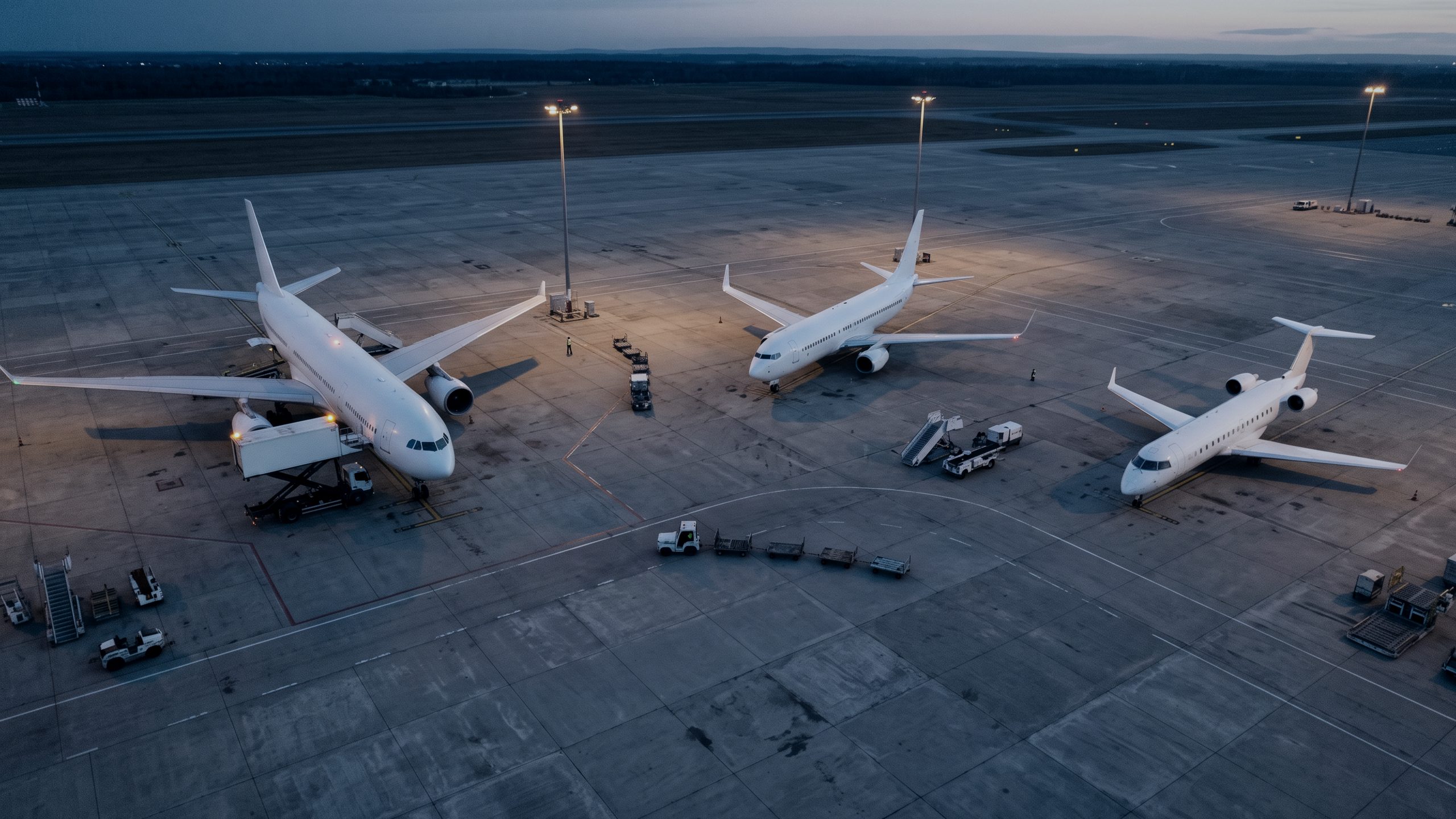
The load plan today
Loads are often planned from the seat count, whatever the route.
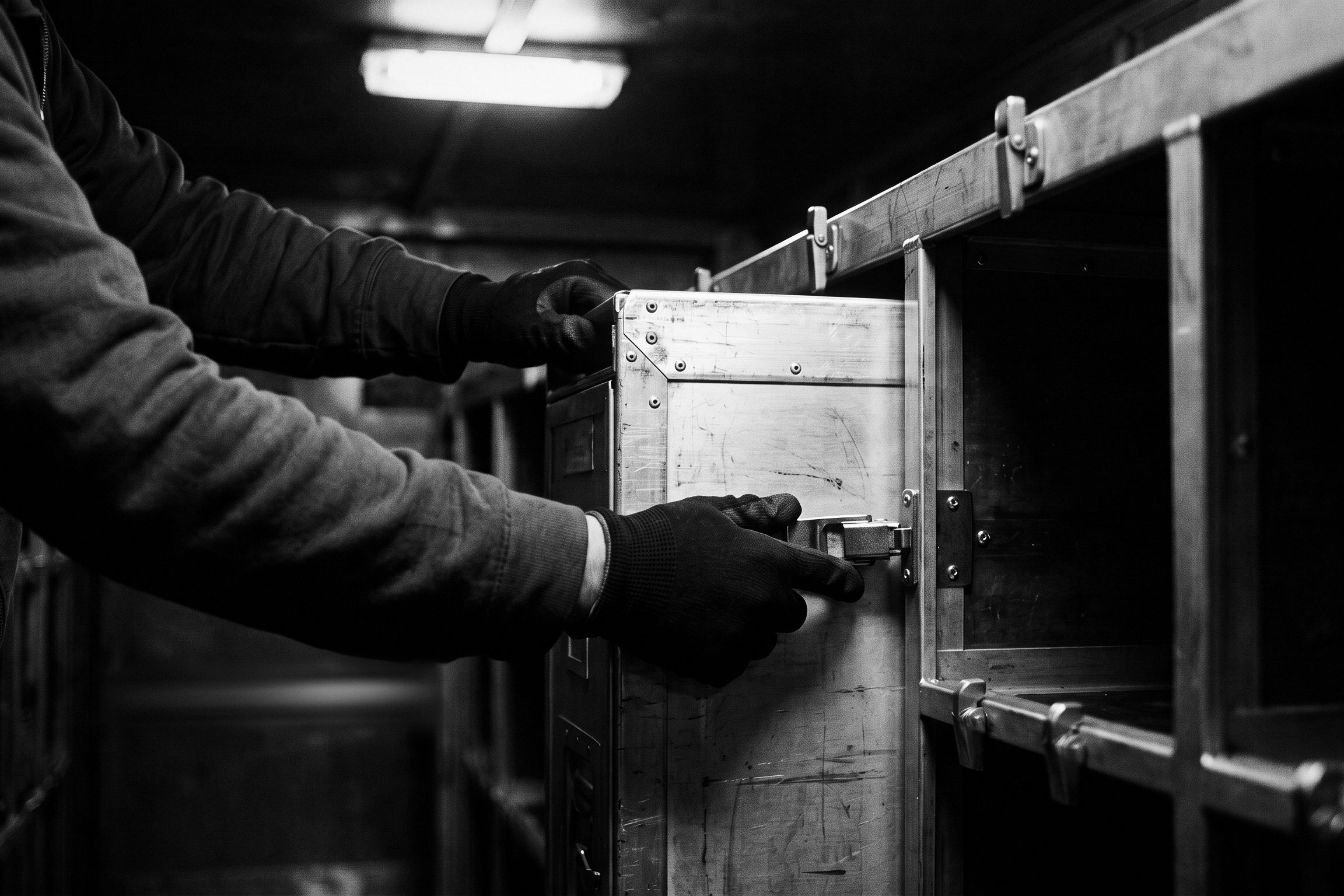
The early Tuesday flight and the late Friday holiday flight leave with the same trolleys, though the people on board buy quite different things. Whatever the return leg does not sell flies out and back again, and the fresh food that nobody bought goes in the bin.
Industry data: About a third of cabin waste is untouched food and drink (IATA, 2026).1
What you gain
Less weight, less fuel
AirCommerce computes each item’s load from what the route sold.
Less food in the bin
Your planner sees which items keep flying back unopened.
Lower catering costs
What you no longer load, you no longer pay for.
Enough for the back rows
Items that sell out early get more room in the proposed load.
What the software shows
- R-09, High returns, Load less
- R-04, Sold out in the evening, Shift stock
- R-01, Return leg needs its own load
- R-10, Range too wide, Trolley stays on the ground
Rotation 3
- Still waterLoad more
- CoffeeAs before
- SandwichAs before
- MuffinLoad less
- CrispsRemove
- Before
- Proposal
- Stays on the ground
- kg per flight ↓
- fuel per flight ↓
- returns ↓
The thicker the line, the more is loaded, and yellow shows what goes on board above demand. Select a marked route to see rotation 3 and the trolley it can do without.
A route is marked when what sold on it and what was loaded have been out of step for several weeks, so one odd Monday does not count.
One decision · AirCommerce · Rotation 3 on a Monday
- 05:10
Catering unit, base A · Catering plannerProposed
AirCommerce proposes fewer slow sellers on R-09 and more still water, so trolley 6 is no longer needed. For six Mondays running, the same items came back untouched.
- 05:25
Approved 05:25
The catering planner signs it off as it stands.
- 05:40
Done
Loading closes with trolley 6 still in the catering unit.
Decision: R-09 · Rotation 3 · Trolley 6 stays on the ground · Approved 05:25
Other industries
Sources (3)
- 1IATA, fact sheet “Cabin Waste and Single Use Plastic Products”, June 2026, from IATA’s cabin waste audits. www.iata.org
- 2IATA, thought piece on sustainability, December 2023. The trolley weight is for a typical catering trolley. www.iata.org
- 3Ryerson, Hansen, Hao and Seelhorst, “Should Maximum Contingency Fuel be Regulated for U.S. Civil Aviation?”, policy digest, Kleinman Center for Energy Policy, University of Pennsylvania, November 2015. A US simulation with several aircraft types, which puts the extra fuel at about 0.03 kg per kilogram carried per 1,000 km. kleinmanenergy.upenn.edu