04 · Hotels
RoomCommerce. Less food waste in hotel kitchens.
Less breakfast in the bin, lower food costs and staff matched to occupancy. RoomCommerce records every order by dish, hour and outlet, and sets it against occupancy and your roster.
Floor 4 · breakfast

One breakfast list, whatever the occupancy
Full house or quiet Tuesday, the breakfast trays often look the same.
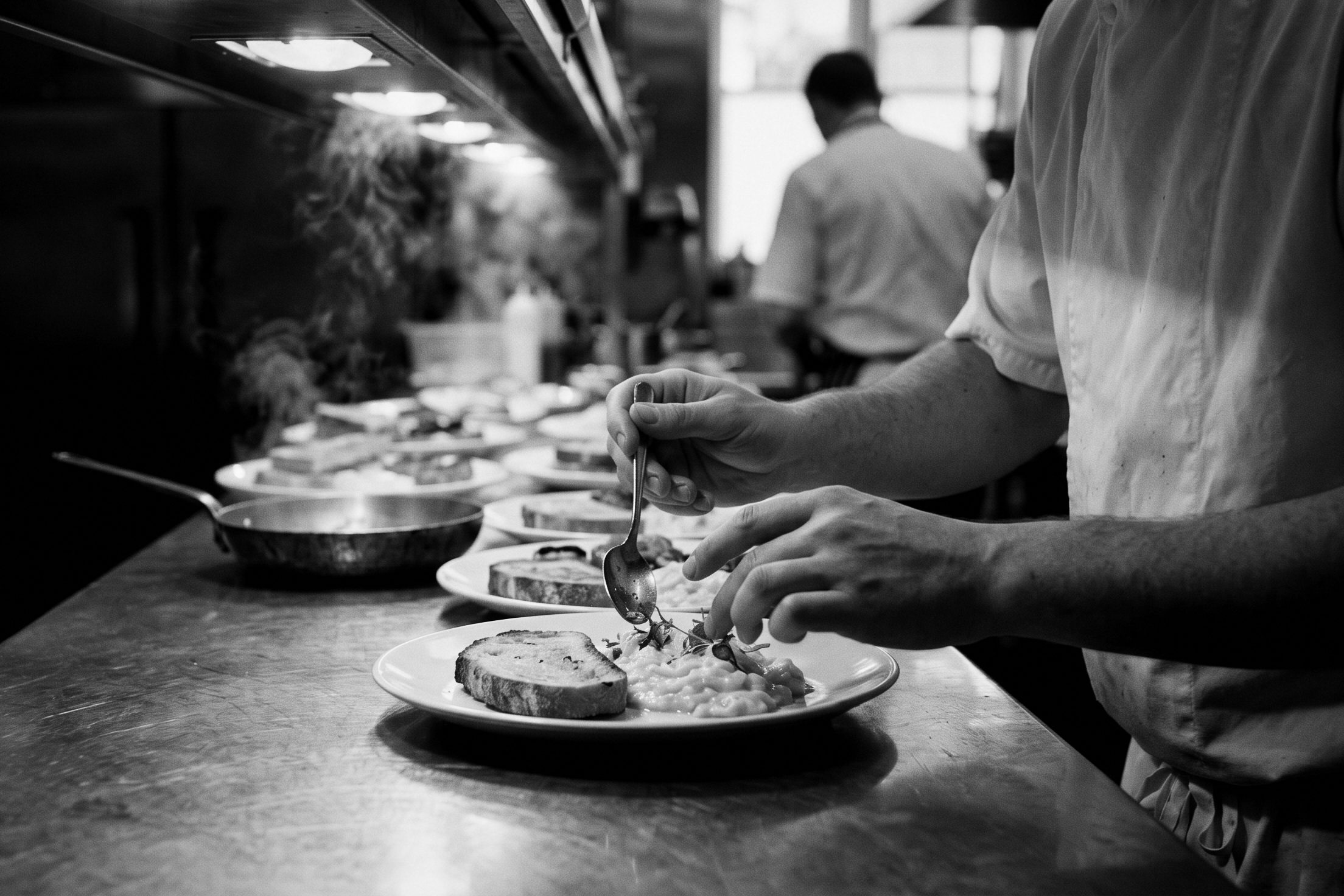
Breakfast and banquet quantities follow par levels and last time’s prep. Someone then adds a little extra, because nobody wants to tell a guest that the eggs have gone. A tray of scrambled eggs left untouched has still cost the eggs and a cook’s time by the time it goes in the bin.
Industry data: At hotel functions in Ireland, just under a third of the food thrown away had been prepared and never served (EPA Ireland, 2022).1
What you gain
Less breakfast in the bin
The forecast for each breakfast dish follows occupancy, hour by hour.
Lower food costs
Banquet quantities follow confirmed covers and what similar events ate.
Staff matched to occupancy
RoomCommerce compares your roster with demand at breakfast and by the pool.
Revenue after the kitchen closes
Your order history shows late requests by outlet and hour.
Industry data: Hotels in programmes that measured and reduced their food waste had 21% less kitchen waste within a year, on average (Champions 12.3, 2018).2
What the software shows
Illustration with made-up figures. A section through a hotel from the room floors down to the banquet level. Each level has a band showing demand over 24 hours, with the roster above it as before and as proposed. Idle time is hatched and understaffed hours are notched, and the proposal closes both, marked in yellow. The kitchen closes at 22:30, and from 22:30 the night menu takes over. On the breakfast board for floor 4, fewer scrambled eggs are prepared after 09:30. Pool and terrace get staff earlier between 13:00 and 15:00, and the minibars on the floors give way to one central store.
RosterFloorsLobby and barRestaurantPool and terraceBanquet
- Demand curve
- Roster
- Idle
- Understaffed
- Gap removed
- Not served
- leastmost
- Peak expected
Breakfast · floor 4 · Sat
- Scrambled eggsPrepare less
- PastriesAs before
- FruitAs before
- YoghurtAs before
- Orange juiceAs before
- Floor 4, Demand for eggs falls after 09:30, Prepare less
- Restaurant, Kitchen idle after 22:30, Night menu from 22:30
- Pool and terrace, Understaffed 13:00–15:00, Marked on roster
- Banquet, Buffet above forecast, Prepare less
- Floors, Minibars rarely opened, Central store
- idle hours ↓
- prepared, never served ↓
- covers per staff hour ↑
The section runs from the room floors down to the banquet level, with demand in each outlet over 24 hours and the roster above it. Hatching marks idle hours, and a notch marks hours with too few staff.
Based on the last eight weeks of sales and rosters.
One decision · RoomCommerce · Saturday breakfast on floor 4
- 05:40
Kitchen office · Head chefProposed
RoomCommerce proposes two smaller batches of scrambled eggs, the second at 08:10, and eggs to order from 09:30. On the last eight Saturdays with similar occupancy, demand for eggs dropped after 09:30.
- 05:52
Approved 05:52
The head chef accepts it and puts the second batch on the prep list for 08:10.
- 09:30
Done
From 09:30, eggs are cooked to order.
Decision: Floor 4 · Breakfast · Eggs to order from 09:30 · Approved 05:52
Other industries
Sources (2)
- 1EPA Ireland, factsheet on food waste at hotel functions, version 3, 2022, from research in Irish hotels between 2016 and 2018. www.epa.ie
- 2Champions 12.3, business case for reducing food waste in hotels, April 2018. Average of 42 hotels in 15 countries, kitchen waste before the plate, by weight. The figure comes from waste programmes, not from software like ours. www.wrap.ngo